/images/logo.jpg

Korneliusz Rabczak

Demystifying AI loops: The 3 layers of autonomous architecture

From prompting to loop engineering

In my previous post, I wrote about the danger of delegating critical thinking to AI, using the analogy of a climber and a belayer. AI is the fast, strong climber, but we must remain the belayers holding the safety rope and choosing the route.

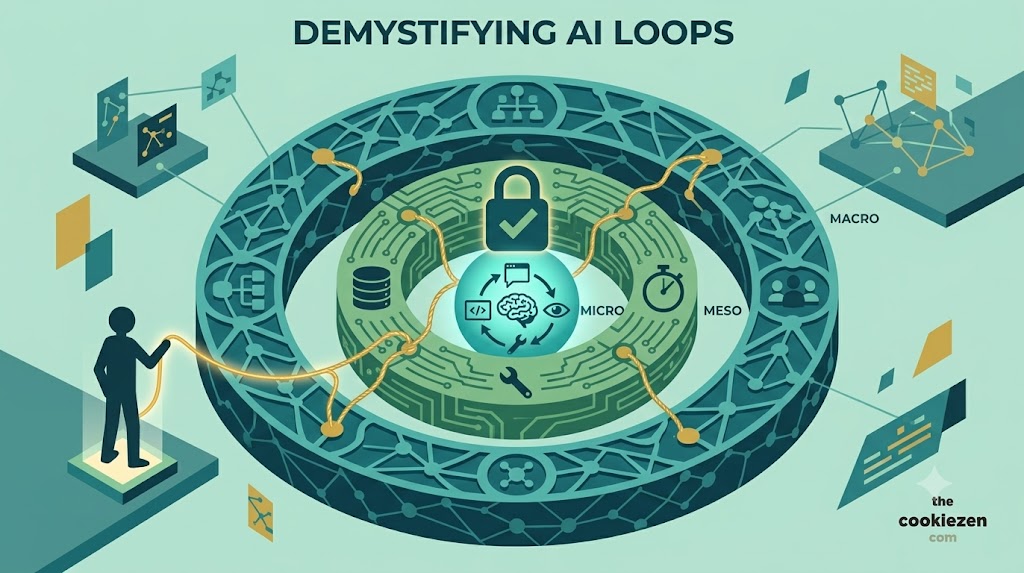
As I explore this further with my AI pet projects this year, I’ve realised that maintaining this level of control requires significant effort. We are no longer simply typing prompts into a chat window. The industry has moved from prompt engineering to context engineering and is now embracing a new discipline called loop engineering.

Model Context Protocol: Beyond AI integration

Could MCP be the universal integration layer

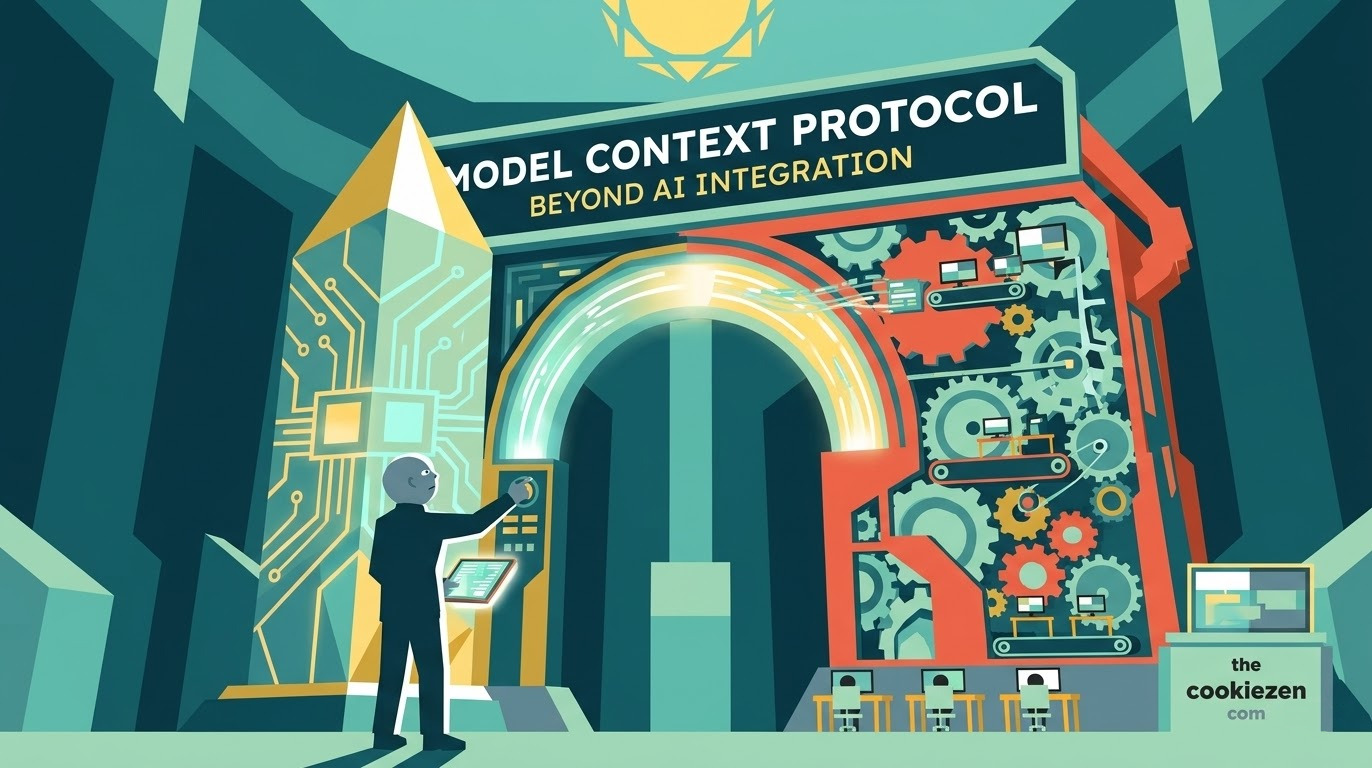
These are notes from a year ago, when I began learning more about the Model Context Protocol, a protocol designed to connect Large Language Models (LLMs) to external tools. I wondered if this protocol could also serve as a universal integration layer for business process automation systems.

Business process automation tools struggle with integration challenges. Each new service requires writing a new adapter, handling different authentication schemes, and determining what capabilities are available. MCP has already solved the discovery problem with its standardized tool listing, and the protocol provides a clean way to invoke those tools. If workflow engines adopted MCP, they could open up to an entire ecosystem of integrations without the constant need for custom implementations.

Building LadybugDB data access layer with Spring Data

The search for a local graph database

While working on my new side project, archiledger, I encountered a specific architectural need. I was looking for a graph database that could run locally, either fully embedded or alongside the application, without requiring a complicated installation process.

After some research, I found that a graph database called LadybugDB (https://ladybugdb.com) is a perfect fit for this use case.

The embedded columnar graph database built for highly regulated industries. Production-ready in minutes.

The trap of delegating critical thinking to AI

Who’s holding the rope?

We are living through one of the most exciting periods in the history of software development. Thanks to LLMs, tasks that used to take hours - such as setting up a new microservice, writing test suites, or summarizing a long meeting - now take minutes.

Don’t get me wrong, I fully support AI as a tool. It’s like having a pair programmer, research assistant and devil’s advocate all in one. However, we must be mindful of a dangerous shift, the transition from using AI to accelerate our work, to using it to replace our judgment.

Hello World, again! Dusting off the keys

Five years have passed

In the tech world, that’s a long time. When I last posted, the world looked different. There was no Agentic AI, my daily stack was different, and, most importantly, my priorities were completely different.

After a long period of digital silence, I finally spent some time maintaining this site. I migrated everything to Hugo, replacing whatever clunky setup I had before.

However, this is not just about a blog migration; it’s about what comes next.

Phantoms exist - the delusion of IT corporation world

Have you ever wonder, what some people do in your company? What their mysterious corpo titles mean? Who do they manage? What are their day to day responsibilities? Is there any outcome of their work?

It looks like we’re talking about phantoms.

I’ve spent my whole career working for the IT companies, which were just before or in the middle of the digital transformation. During this amazing, 10 year long journey, I saw many changes, that were dictated by the corporation. One its tricks was creating a role for someone, just to make this person happy. No more reasons, no more other benefits for the company.